Refractive Lens Exchange Vs Prk: Pros, Cons & Outcomes
Article Created By-Meldgaard McNamara When taking into consideration vision adjustment, you may discover on your own weighing Refractive Lens Exchange (RLE) versus Photorefractive Keratectomy (PRK). Each option has distinct advantages and downsides, customized to different age groups and refractive mistakes. Understanding please click the following post is critical for making an informed option. So, what should you find out about the procedures, their outcomes, and how they might fit your particular needs? Let's explore the information better.
Recognizing Refractive Lens Exchange: What to Expect
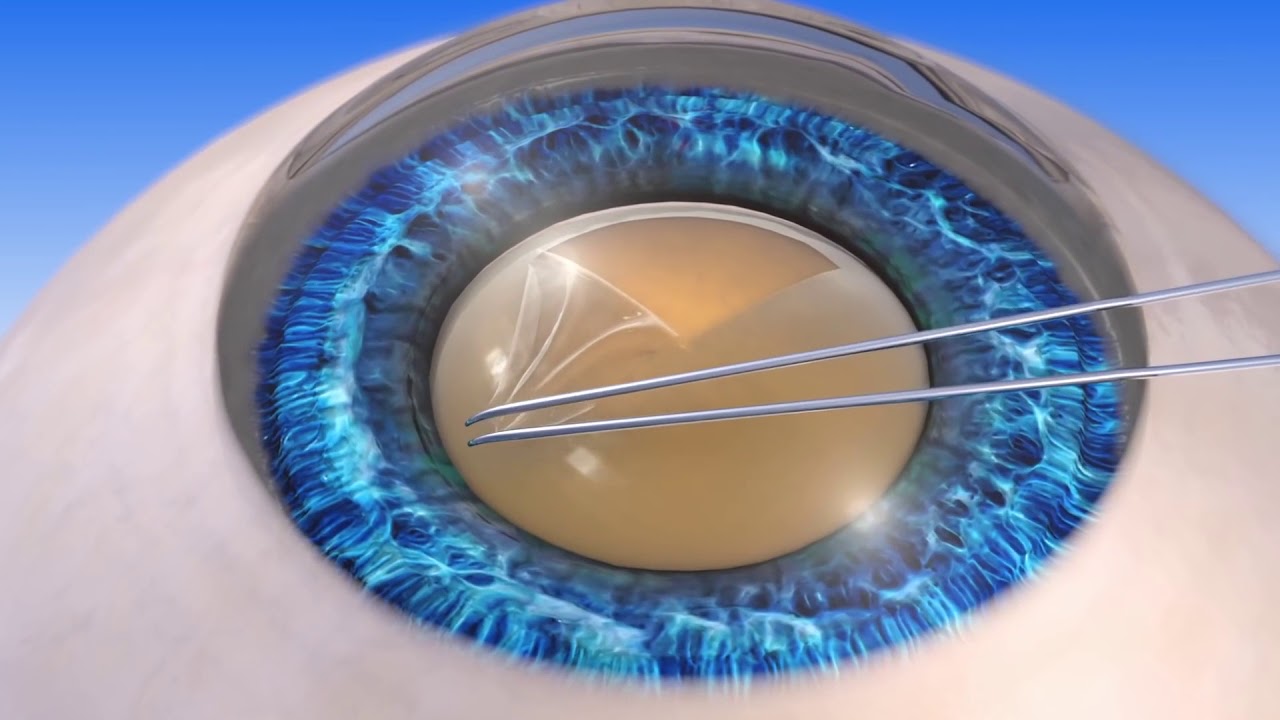
When you consider refractive lens exchange, you might wonder what the procedure actually includes. It's a medical choice developed to change your eye's natural lens with an artificial one, usually to remedy vision issues like presbyopia or extreme myopia. Throughout the process, your surgeon makes a little laceration in your eye, gets rid of the gloomy or malfunctioning lens, and implants a brand-new lens customized to your needs. The treatment generally takes about 15-30 minutes per eye, and you'll receive regional anesthesia, so you won't really feel discomfort. Recovery is normally fast, yet it's vital to follow your surgeon's aftercare directions. You can anticipate improved vision within a few days, and many patients achieve 20/25 vision or far better.
Exploring Photorefractive Keratectomy: Advantages and Threats?
Photorefractive keratectomy (PRK) is a popular laser eye surgical treatment that improves the cornea to correct vision problems like nearsightedness, farsightedness, and astigmatism. Among the primary benefits of PRK is the marginal invasiveness; considering that it doesn't include reducing a flap in the cornea, it's commonly more secure for those with thinner corneas. You'll likely experience fast recuperation times, and several people achieve 20/25 vision or better. However, there are risks to take into consideration. You could face short-term pain, blurred vision, or glare throughout the recovery procedure. Some patients may call for improvement treatments if their vision doesn't maintain. Generally, understanding the benefits and threats can assist you make an educated choice about whether PRK is ideal for you.
Contrasting Results: Which Vision Correction Method Is Right for You?
Choosing the ideal vision improvement technique includes weighing the pros and cons of different options, consisting of PRK and refractive lens exchange (RLE). PRK usually matches more youthful individuals with light to modest nearsightedness, supplying fast recuperation and very little discomfort. Nevertheless, RLE may be ideal for those with presbyopia or serious refractive mistakes, as it changes the lens, supplying clearer vision across distances. https://www.stuff.co.nz/national/health/122689002/botched-laser-eye-surgery-left-woman-with-blurred-vision-and-migraines 'll want to consider your lifestyle and aesthetic requirements. If you're energetic or favor a non-invasive alternative, PRK could be your best option. On the other hand, if you're looking for a lasting solution for age-related modifications, RLE can be extra helpful. Consulting with an eye treatment professional will certainly assist customize the selection to your specific situation.
Conclusion
In the long run, selecting in between Refractive Lens Exchange and PRK relies on your age, vision requirements, and individual choices. RLE supplies a fast recovery for older clients with severe refractive errors, while PRK fits younger individuals with milder issues. Both can accomplish superb results, but it's important to talk to your eye treatment expert to determine the best choice for you. Your vision is entitled to the appropriate technique, so put in the time to make an informed choice!